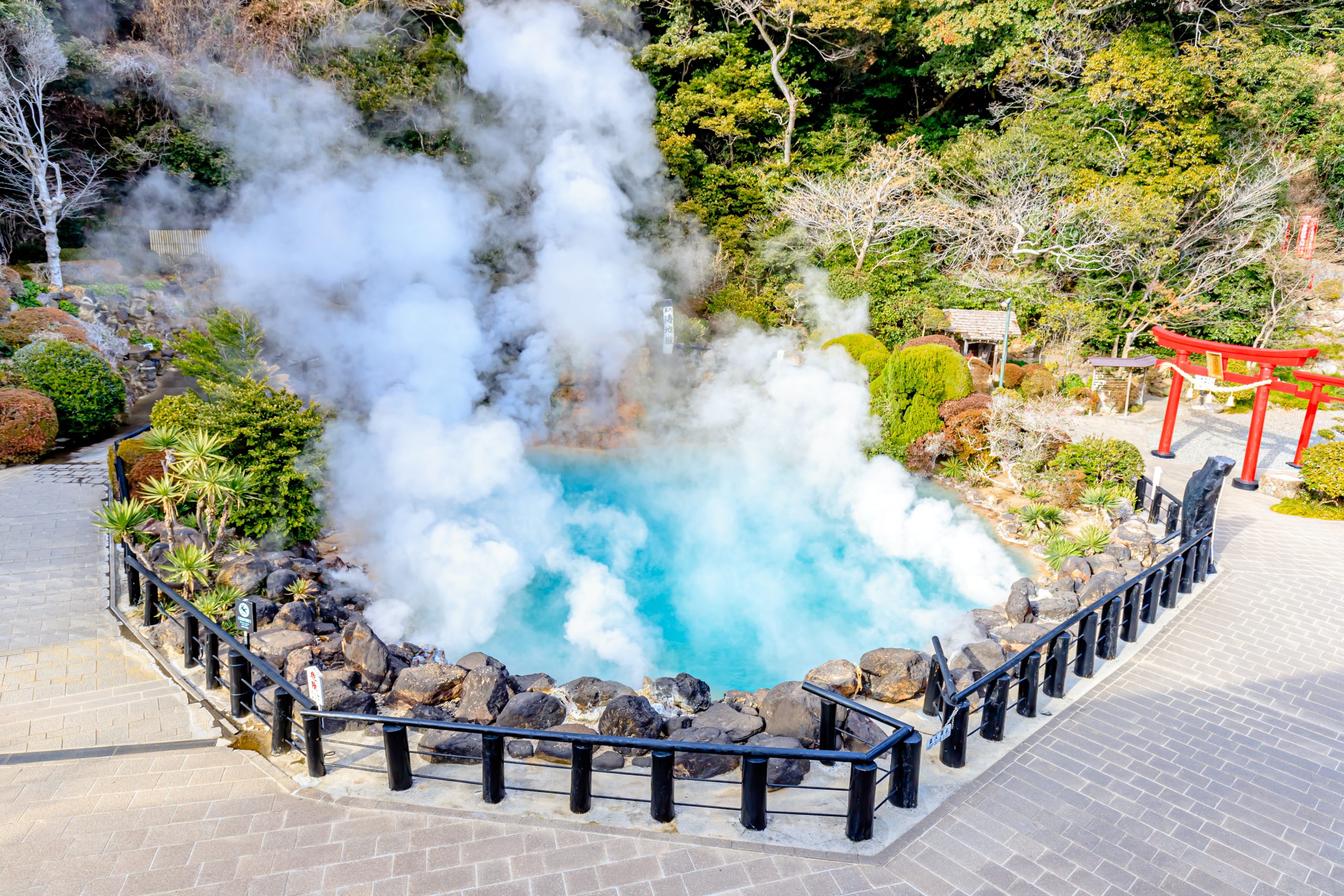
The Beppu Hells, called jigoku (hell) in Japanese, are seven hot springs you look at rather than bathe in: one pond is cobalt blue at 98°C, while another is blood red at 78°C. Five are within walking distance of each other in Kannawa; two are a 6-minute bus ride away in Kamegawa. All seven are open daily from 8:00 AM to 5:00 PM, year-round, and visiting all seven takes 2.5 to 3 hours.
Beppu Hells at a Glance
| Number of hells | 7 (Umi, Oniishi Bozu, Kamado, Oniyama, Shiraike, Chinoike, Tatsumaki) |
| Areas | Kannawa: 5 hells within walking distance. Kamegawa: 2 hells, 6 minutes by bus route 16 |
| Hours | 8:00 AM to 5:00 PM, year-round |
| Time needed | 2.5 to 3 hours for all seven; 2 hours for the five in Kannawa |
| Bus from Beppu Station | West Exit, Bus Stop 3; routes 2, 5, 7 and 41 to Umi Jigoku-mae (19 to 25 minutes) |
| Tickets | Combination ticket for all 7 hells: ¥2,400 for adults, ¥1,200 for elementary and junior high school students (official price list dated Feb 1, 2025). Valid for 2 days. Sold at any of the seven hells. |
| Foot baths | 4 locations (Umi, Oniishi Bozu, Kamado, Chinoike), free with admission |
Sources: Beppu Jigoku Association official site and Kamenoi Bus timetables (March 2026 revision). All figures checked October 27, 2026.
What Are the Beppu Hells?
The Beppu Hells are seven natural hot-spring vents in Beppu’s Kannawa and Kamegawa districts, run by the Beppu Jigoku Association. Four of them, Umi, Chinoike, Tatsumaki and Shiraike, were designated National Places of Scenic Beauty on July 23, 2009.
The name jigoku (hell) predates tourism. The Bungo no Kuni Fudoki, a record compiled in 733, describes this corner of Beppu as ground that spat steam, hot mud and boiling water, a place nobody could approach. People called it jigoku, and the word has stuck for 1,300 years. Local tradition adds that in 1276 the monk Ippen calmed the vents, a story the Shiraike garden still tells.
In 1928 hotelier Aburaya Kumahachi ran the first sightseeing bus around the hells with Japan’s first female bus guides. Today the association runs seven sites, all covered by a single combination ticket; older guides sometimes list eight, but the combination ticket covers these seven sites. The colors are natural: iron sulfate makes Umi blue, and iron oxides make Chinoike red.
The 5 Hells in Kannawa (Within Walking Distance)
Five of the seven hells, Umi, Oniishi Bozu, Kamado, Oniyama and Shiraike, are all within about 15 minutes’ walk of each other in Kannawa. Starting at the Umi Jigoku-mae bus stop and visiting them in this order takes about 2 hours.
1. Umi Jigoku (Sea Hell): The One to Visit if You See Only One
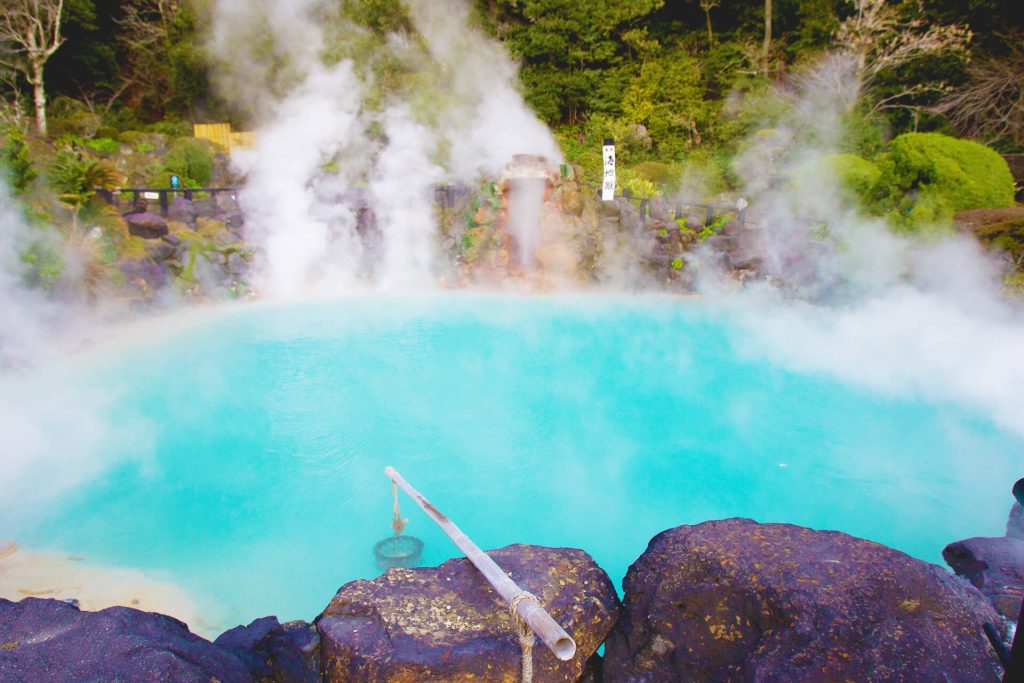
Umi Jigoku is the largest of the seven and almost everyone’s first stop. The pond looks like a tropical lagoon, but the water is about 98°C and the vent lies 200 meters down. The blue looks deepest in photos when the steam rises in the morning.
Give it 30 minutes: the loop, the viewing platform and Gallery Ao, a small history exhibition. The greenhouse uses heat from the hot springs to grow giant Amazon water lilies, which bloom from early May to early November. The covered foot bath has handrails, and Cafeteria Umi serves the jigoku-mushi pudding (custard steamed in onsen heat). Two things are sold only here: eggs boiled in the pond’s own water, and Enmannoyu, a blue bath powder made by drying the hot spring water. If the ticket window has a queue, buy your ticket at Oniishi Bozu, a 2-minute walk away.
Source: Beppu Jigoku Association, Umi Jigoku page. Checked October 27, 2026.
2. Oniishi Bozu Jigoku (Shaven Monk’s Head Hell)

Next door, Oniishi Bozu Jigoku is a garden of grey mud pools at about 99°C, where round bubbles slowly bulge and pop, which locals likened to monks’ shaved heads. It appears in the 733 Fudoki, is quieter than Umi, and takes about 20 minutes to explore. There is a foot bath on the slope.
For onsen fans, the main draw is Oniishi no Yu, a bathhouse at the back of the site. It has cypress indoor baths, open-air baths and five private family baths that wheelchair users can use. Admission to the bathhouse costs extra, and towels are available for purchase. It’s the easiest place on the circuit to turn a day of viewing the hells into a day of soaking.
Source: Beppu Jigoku Association, Oniishi Bozu Jigoku and Foot Bath pages. Checked October 27, 2026.
3. Kamado Jigoku (Cooking Pot Hell): The Hands-On One

Kamado Jigoku takes its name from the rice once cooked in its 98°C steam for the local shrine festival. The grounds are divided into six numbered areas, 1-chome to 6-chome, each with a different pool.
This is where staff interact with you: a staff member blows smoke over a vent and the steam thickens into a cloud. There is 80°C onsen water for drinking (with a salty taste), steam baths for your hands and feet, and three foot baths, including a sand-steam one. Allow 30 minutes, and go early: this hell fills fastest once tour groups arrive.
Source: Beppu Jigoku Association, Kamado Jigoku page. Checked October 27, 2026.
4. Oniyama Jigoku (Crocodile Hell)
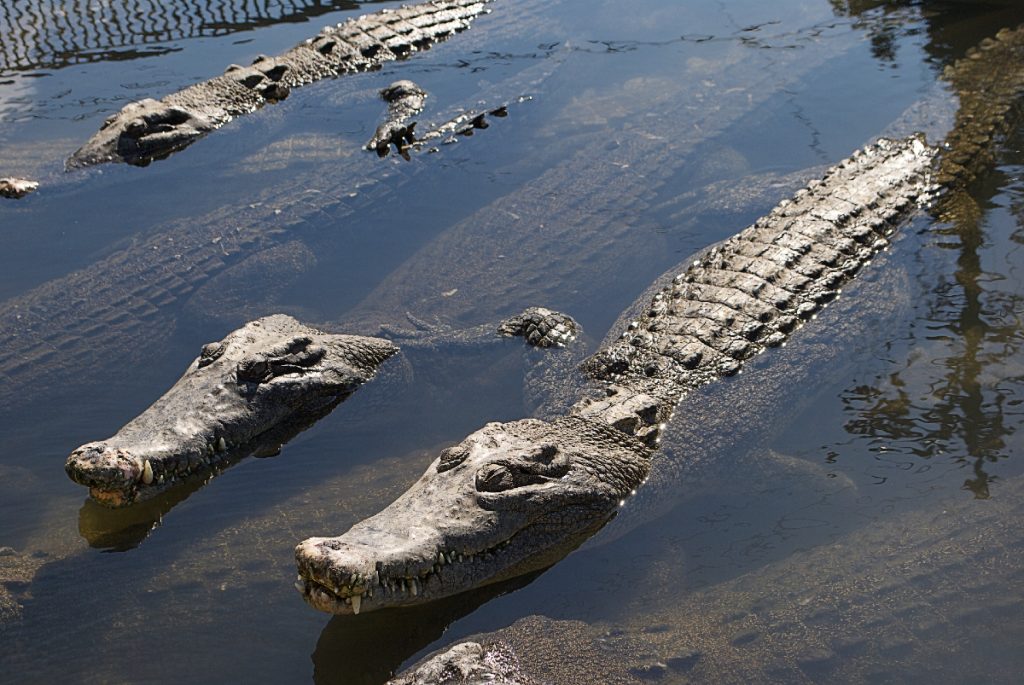
Oniyama Jigoku has the hottest water in the Kannawa group at about 99.1°C and its heat is used to raise crocodiles. It was the first place in Japan to breed crocodiles, starting in 1923, and about 70 crocodiles live here, the largest measuring 4 meters long. Staff feed them at 10:00 AM every Saturday and Sunday; otherwise 15 minutes is enough. It’s between Kamado and Shiraike, so skipping it won’t mean any extra walking.
Source: Beppu Jigoku Association, Oniyama Jigoku page and notice of May 21, 2024. Checked October 27, 2026.
5. Shiraike Jigoku (White Pond Hell): The Quiet One
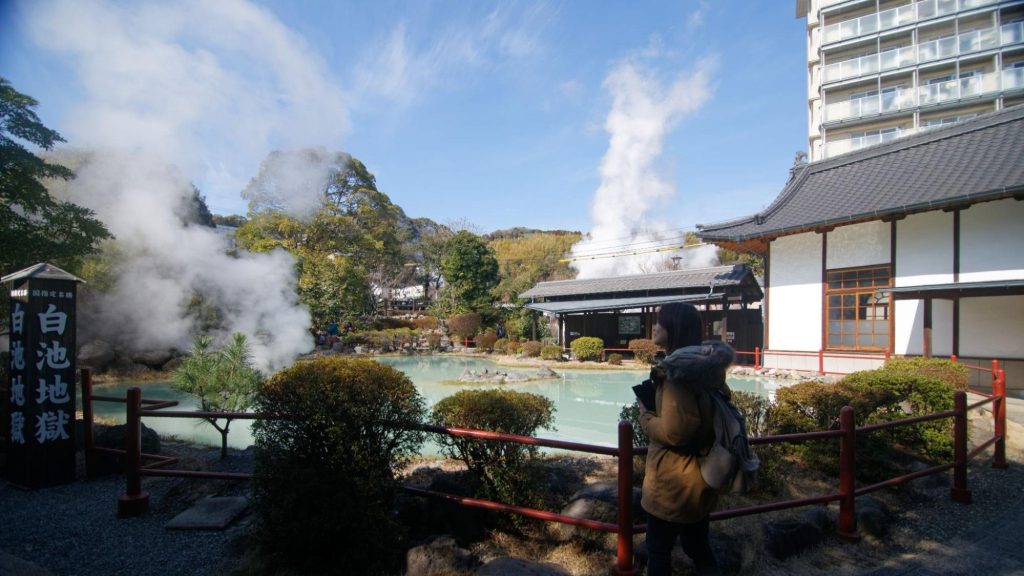
Shiraike Jigoku is a Japanese garden around a milky pond: the water emerges clear at about 95°C and turns bluish-white as it cools. It is a Place of Scenic Beauty and usually the least crowded, with a tropical fish house of about 20 species, including a pirarucu that can grow up to 4 meters long. Fifteen minutes covers it, and the Kannawa bus stop is a short walk away.
Source: Beppu Jigoku Association, Shiraike Jigoku page. Checked October 27, 2026.
The 2 Hells in Kamegawa (6 Minutes by Bus)
Chinoike and Tatsumaki stand side by side in Kamegawa, about 3 km from Kannawa. Kamenoi Bus route 16 runs from Kannawa stop 2 to Chinoike Jigoku-mae in 6 minutes, 24 times a day.
Do these two second: waiting for Tatsumaki’s geyser is easier with Chinoike right next door.
6. Chinoike Jigoku (Blood Pond Hell)
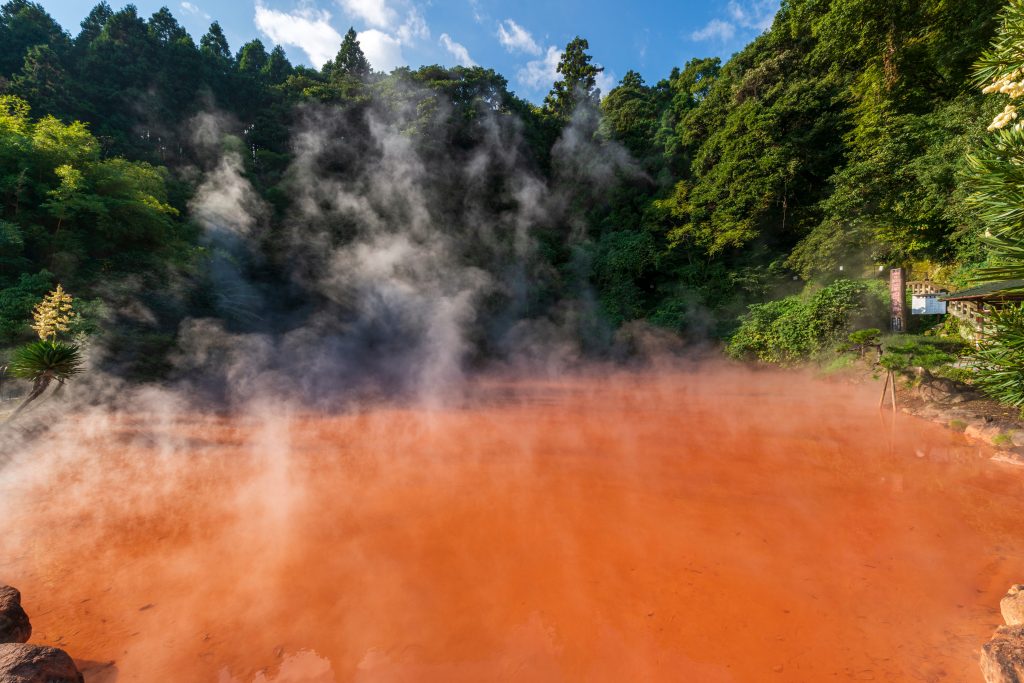
Chinoike Jigoku is the oldest natural hell in Japan; the Bungo no Kuni Fudoki from 733 records it as “Akayusen,” the red hot spring. Red clay rich in iron and magnesium oxides forms about 30 meters underground, rises to the surface, and settles across the 1,300-square-meter pond. The water is about 78°C.
Plan on spending about 30 minutes: the viewing platform first for the full-pond photo, then the foot bath, free with your ticket. The 330-square-meter shop sells Chinoike pudding, a red bath powder and the clay ointment made here for skin complaints. Gokurakutei, beside the gate, serves toriten (Oita’s chicken tempura) and jigoku-mushi set meals, the only restaurant on the Kamegawa side.
Source: Beppu Jigoku Association, Chinoike Jigoku page and English pamphlet. Checked October 27, 2026.
7. Tatsumaki Jigoku (Tornado Hell): The Geyser You Wait For
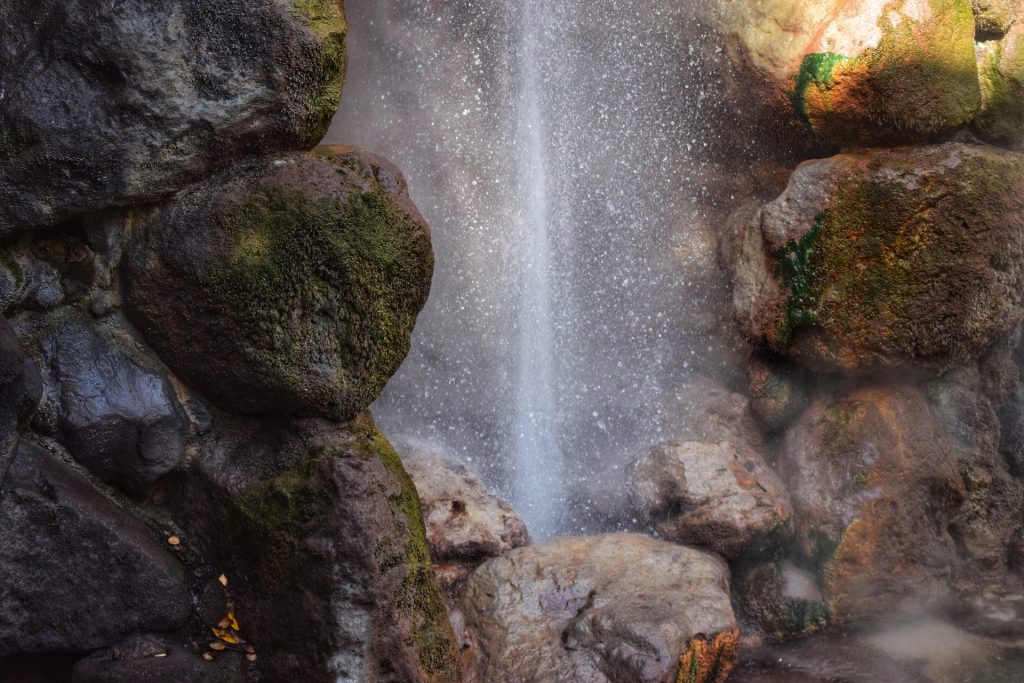
Tatsumaki Jigoku is a geyser designated as a Beppu City natural monument. Its steam leaves the vent at about 105°C with enough force to reach 30 meters; a roof keeps the steam contained so you can stand close. Visitors usually see an eruption within 30 to 40 minutes.
Treat that as a guide, not a promise. In January 2026 the association posted a four-language notice: waiting times have grown longer this season and eruptions are shorter and less predictable, depending on rainfall. A red lamp above the entrance sign lights when an eruption is close or under way; if it is off, visit Chinoike first. Budget 30 to 45 minutes.
Source: Beppu Jigoku Association, Tatsumaki Jigoku page and notice of January 15, 2026. Checked October 27, 2026.
Hours, Tickets and Facilities
All seven Beppu Hells open 8:00 AM to 5:00 PM, 365 days a year. One combination ticket covers all seven, is sold at any hell, and is valid for two days, one entry per hell.
Tickets. The combination ticket covers all seven and lets you split the visit across two days. The fee table dated February 1, 2025 lists ¥2,400 for adults (high school and up) and ¥1,200 for elementary and junior high school students; check the official fee page for the current figure. Staff stamp the purchase date on the ticket.
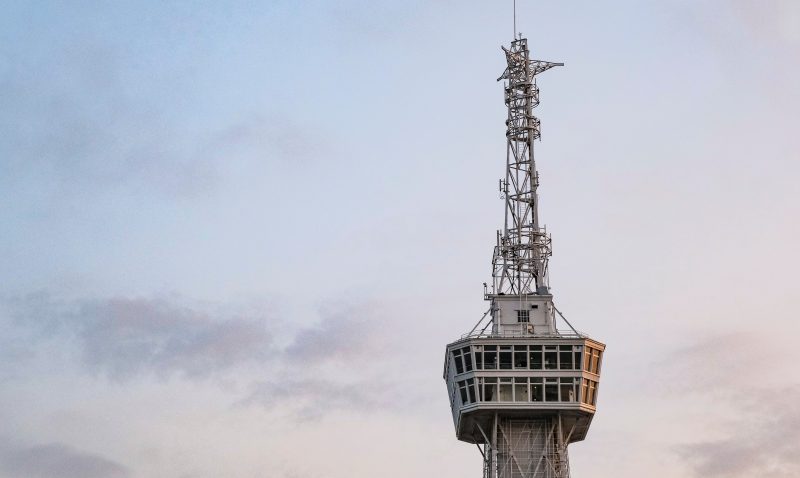
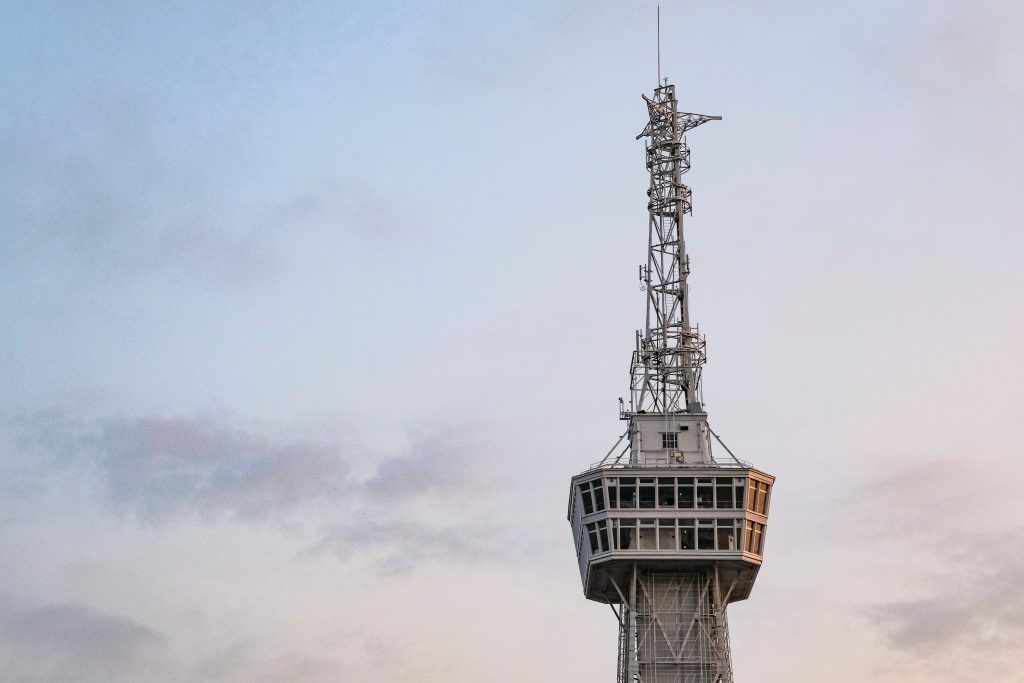
Beppu Round Tour Passport. Beppu’s own pass covers “Beppu Jigoku Meguri (7 sites)” as a single attraction with one QR code, together with nine other attractions, including Oniishi no Yu, the Jigoku Onsen Museum and Beppu Tower. It comes in one-day and two-day versions, both valid for 90 days after purchase.
Foot baths. You can use the foot baths at Umi, Oniishi Bozu, Kamado and Chinoike, free with a ticket. A small towel for your feet is handy; towels are also available for purchase on site.
Accessibility and parking. Every hell has a wheelchair-accessible toilet and loan wheelchairs (three at Umi, two at Kamado, one elsewhere; no reservations); Umi and Kamado have nursing rooms. Paths are paved with some slopes and steps. All seven have free parking, about 615 spaces in total, and Oita Cycle Share has bike stations at Umi, Kamado and Tatsumaki.
Getting There from Beppu Station

From bus stop 3 at JR Beppu Station’s West Exit, Kamenoi Bus routes 2, 5, 7 and 41 reach Umi Jigoku-mae in 19 to 25 minutes. Together they run more than 60 times on a weekday, and the last bus back to Beppu Station leaves after 10:30 PM.
To Kannawa. Routes 5, 7 and 41 take 19 to 20 minutes to Umi Jigoku-mae, 1 minute from the gate; route 5 alone runs about 20 times on weekdays, with the first bus at 7:25 AM. Route 2 runs every 30 minutes from 8:05 AM and takes 24 to 25 minutes. On weekends and public holidays the first buses (7:37 AM and 7:55 AM) still beat the 8:00 AM opening.
Kannawa to Kamegawa. From Kannawa, bus stop 2, route 16 takes 6 minutes to Chinoike Jigoku-mae, 24 times a day; last departure 6:54 PM on weekdays, 6:53 PM on weekends and public holidays.
Back to Beppu Station. From Chinoike Jigoku-mae, route 16 continues to Beppu Station (East Exit, bus stop 5) in 32 to 38 minutes, last bus 7:00 PM on weekdays and 6:59 PM on weekends and public holidays. Route 26 goes back to Kannawa in 7 minutes, last bus 7:31 PM on weekdays. From Kannawa, routes 5 and 41 return to the West Exit about 28 times a day, last at 10:46 PM on weekdays and 10:36 PM on weekends and public holidays. Times are based on the March 2026 timetables.
Sightseeing bus, taxi and car. Kamenoi Bus runs a sightseeing coach twice daily from Beppu Station, visiting all seven hells in about 3 hours, with admission included; reserve on the Kamenoi Bus sightseeing page. A taxi from Beppu Station takes about 15 minutes to either group; by car, about 5 minutes from the Beppu interchange. From JR Kamegawa Station, Tatsumaki is a 25-minute walk or 7 minutes on route 26.
Plan Your Visit: Order, Timing and Crowds
Start at Umi Jigoku when the gates open at 8:00 AM, walk the five Kannawa hells in order, take route 16 to Chinoike, and finish at Tatsumaki. On a weekday this takes 2.5 to 3 hours and keeps you ahead of the tour groups.
The order that works. Umi (30 min), Oniishi Bozu (20 min), Kamado (30 min), Oniyama (15 min), Shiraike (15 min), bus to Chinoike (30 min), then Tatsumaki (30 to 45 min).
When to go. Weekday mornings before 9:00 AM and afternoons after 3:00 PM are the quiet windows; coach tours reach Kannawa mid-morning and after lunch, and Umi Jigoku’s ticket window is where queues form (20 to 30 minutes in Golden Week, visitors report). Rain doesn’t stop the visit: the steam is actually thicker.
Short on time. Gates close at 5:00 PM, so a 4:00 PM arrival gives you two hells at most. With 2 hours, do Umi and Chinoike, the blue one and the red one; your ticket is also valid the next day. Visitors staying in Kannawa often do the Kannawa hells on arrival and Kamegawa the next morning. If you are following the Demon Slayer pilgrimage to Hachiman Kamado Shrine, Kamado Jigoku is the hell to pair with it.
Eat and Soak Around the Hells
Each hell cooks something in its own steam: custard pudding at Umi, dark pidan eggs at Kamado, pudding and a clay ointment at Chinoike. Kannawa’s bathhouses and steam kitchens are a 5- to 15-minute walk from any of the five Kannawa hells.
Umi Jigoku’s pudding is steamed with nothing but eggs, milk and sugar, and its manju buns have come out of the same steam since 1954. For a meal, Kannawa’s Jigokumushi Kobo lets you steam your own seafood and vegetables; our jigoku-mushi gourmet guide explains how ordering works.
Then bathe. Oniishi no Yu, at hell number 2, is the quickest option. Hyotan Onsen, 6 minutes’ walk from the Kannawa bus stop, adds a self-service sand bath, and the Kannawa Mushiyu steam bath is where you sit on herbs heated by the same vents. To stay the night, our guide to where to stay in Beppu covers the Kannawa inns.
Sources and Last Checked
- Beppu Jigoku Association (beppu-jigoku.com): hours, tickets, Scenic Beauty designation, foot baths, facilities, individual hell pages, notices of May 21, 2024 and January 15, 2026, and English pamphlet. Checked October 27, 2026.
- Kamenoi Bus: timetables for routes 2, 5, 7, 41, 16 and 26 (March 14, 2026 revision, weekday and weekend) and the sightseeing course page. Checked October 27, 2026.
- Beppu Round Tour Passport official site (yunotabi.jp). Checked October 27, 2026.
- Crowd timing and queue lengths come from visitor reports, not official data.
Beppu Hells FAQ
Can you bathe in the Beppu Hells?
No. The seven Beppu Hells are hot springs for viewing, with water between 78°C and 105°C. Four of them, Umi, Oniishi Bozu, Kamado and Chinoike, have free foot baths for ticket holders. For a full soak, Oniishi no Yu is inside Oniishi Bozu Jigoku and Hyotan Onsen is a short walk away.
How long does Jigoku Meguri take?
Seeing all seven Beppu Hells takes 2.5 to 3 hours, including the 6-minute bus ride between the Kannawa and Kamegawa groups. The five Kannawa hells take about 2 hours on foot; Chinoike and Tatsumaki take 45 minutes to an hour, depending on the geyser. With only 2 hours, see Umi and Chinoike.
Which Beppu hell should I see if I only have time for one?
Umi Jigoku. It is the largest of the seven, its 98°C pond is the clearest blue water, and it combines a foot bath, a greenhouse of giant water lilies and the original jigoku-mushi pudding in one site. If photographs matter more, Chinoike Jigoku’s red pond is the strongest single image, with its own foot bath and restaurant.
How do I get from the Kannawa hells to Chinoike Jigoku?
Take Kamenoi Bus route 16 from Kannawa, bus stop 2, to Chinoike Jigoku-mae: a 6-minute ride, 24 times a day, last bus 6:54 PM on weekdays and 6:53 PM on weekends and public holidays. To return, route 26 reaches Kannawa in 7 minutes and route 16 continues to Beppu Station in 32 to 38 minutes.
Is the Beppu Hells combination ticket worth it?
Yes, if you plan to enter three or more hells. It covers all seven, is sold at any of them, and is valid for two days, one entry per hell. If you also want Oniishi no Yu or Beppu Tower, the Beppu Round Tour Passport bundles the hells with those sites.
Are the Beppu Hells wheelchair and stroller friendly?
Mostly, yes. All seven hells have a wheelchair-accessible toilet and lend wheelchairs at the entrance without reservation, with three at Umi Jigoku and two at Kamado Jigoku. Umi and Kamado have nursing rooms. Paths are paved but some have slopes and steps, so route 16 is easier than walking between the two groups.